 Quick delivery

45%

LLG Labware
LLG-Extraction thimbles, cellulose
Length mm:
80
|
Wall thickness mm:
1
|
Ø mm:
22
Neutral and fat free. With excellent retention capacity. Ash content
€43.92*
€79.82*
(44.83% saved)
Behr Labor-Technik GmbH
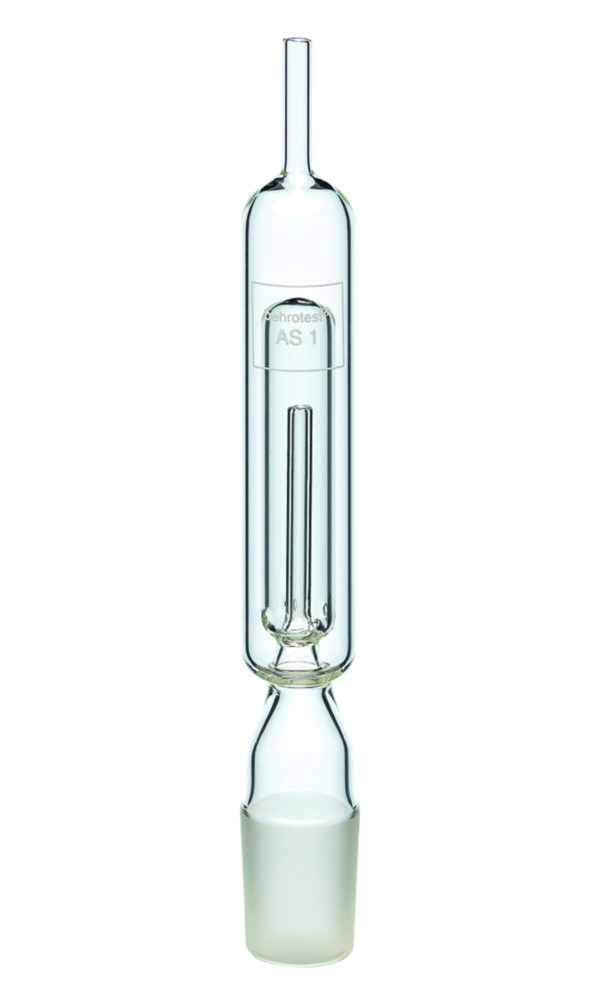
Absorption Vessel
Description:
Cyanide absorption vessel ASH/CY with tap and adapter NS 10 Hose nozzle, DIN 38405 D14
€67.50*
Xylem Analytics Germany (WTW)
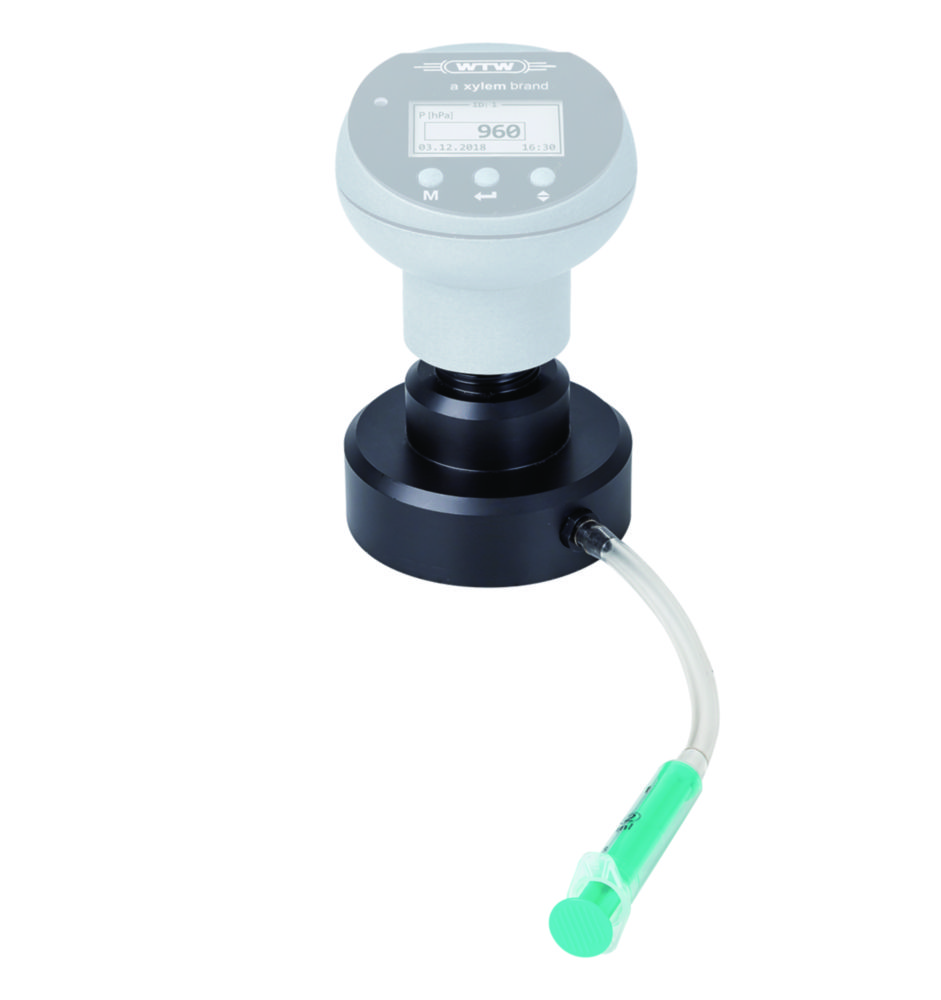
Accessories for B.O.D. Auto-Check Measurement Systems OxiTop®
Description:
Leakage test material
|
Type:
OxiTop® PT
€11.96*

Gerber Instruments AG
Accessories for Butyrometer water bath WB 22 Pump
Type:
Rack for 20 butyrometers, stainless steel
€181.26*
Gerber Instruments AG
Accessories for Butyrometers
Description:
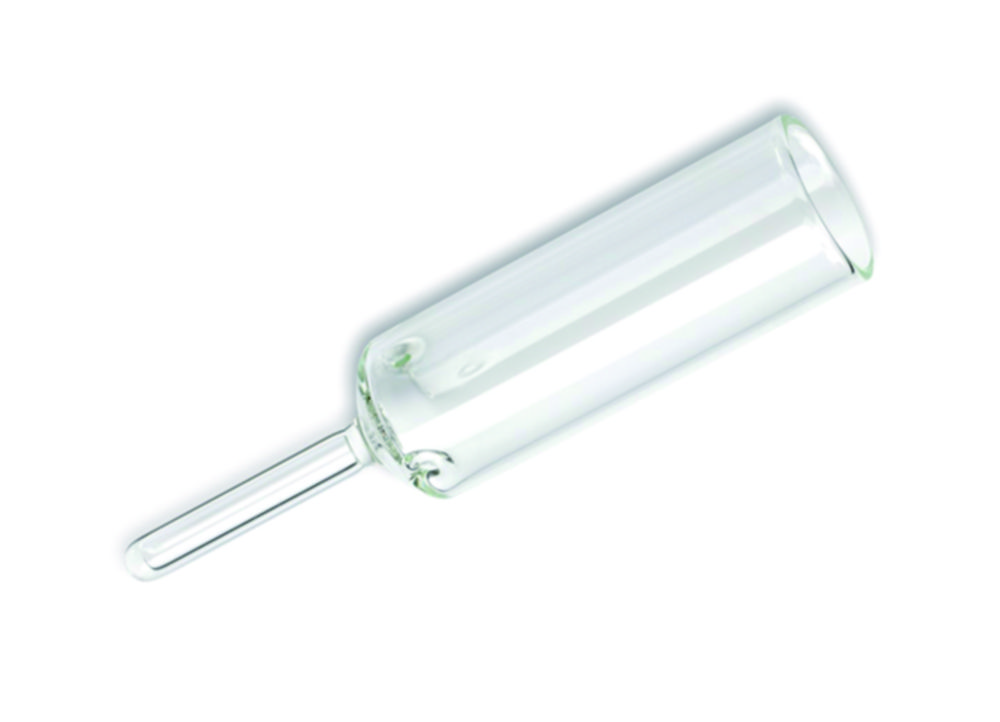
Single conical rubber stopper, large,30 x 17.5/22mm, without hole, for butyrometerswith two openings
€2.34*
Behr Labor-Technik GmbH
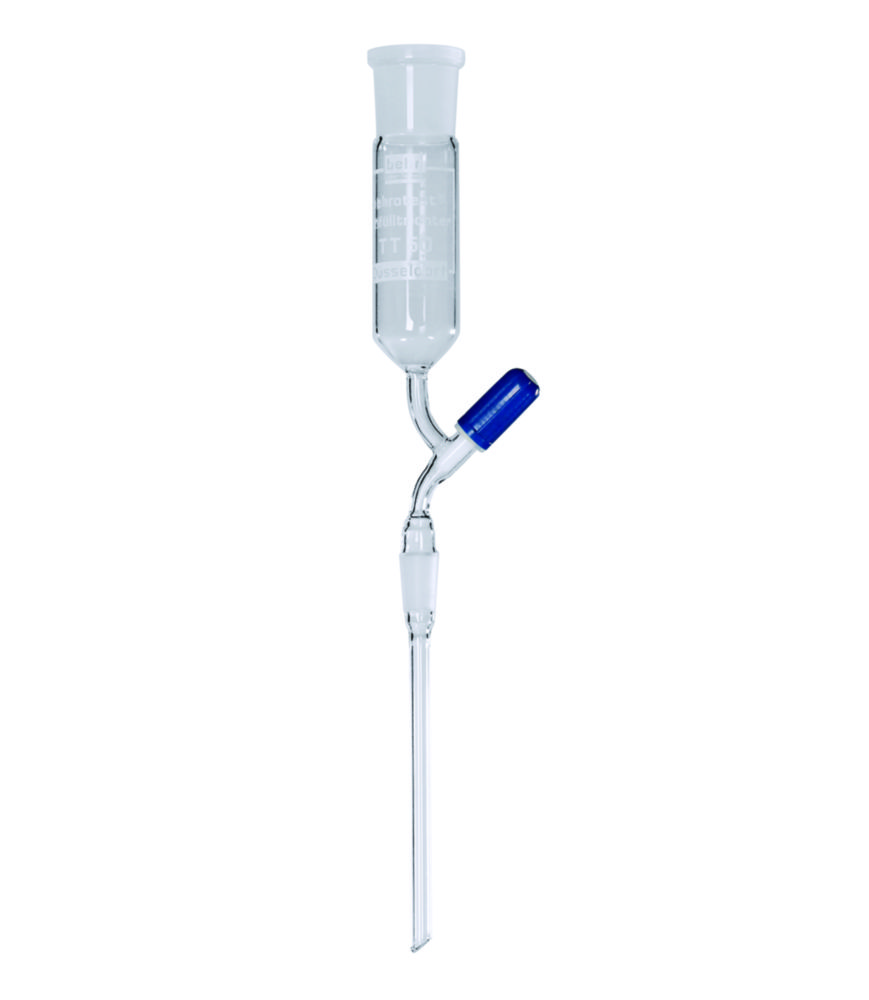
Accessories for cyanide distillation
Description:
Dropping funnel for CN 6
|
Type:
TT 50
€7.54*
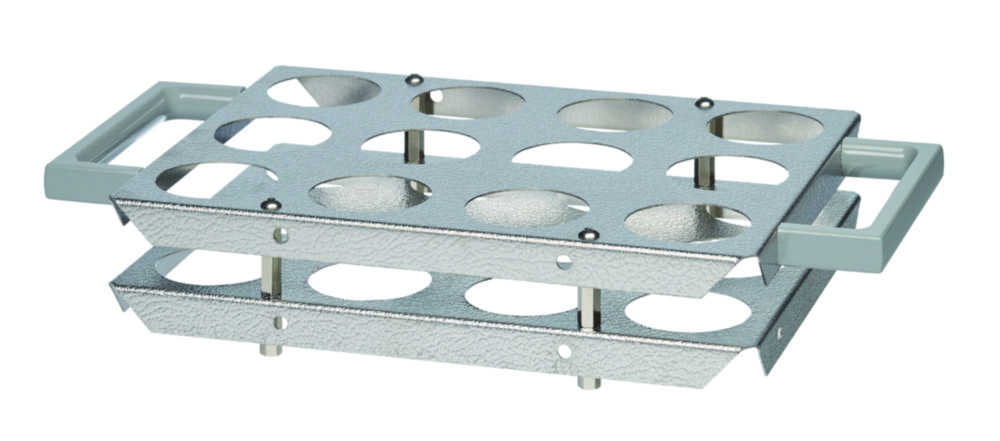
Behr Labor-Technik GmbH
Accessories for determining the COD
Description:
Insert-/top-frame for CSB 12 E
|
Type:
E 12/B
€38.50*
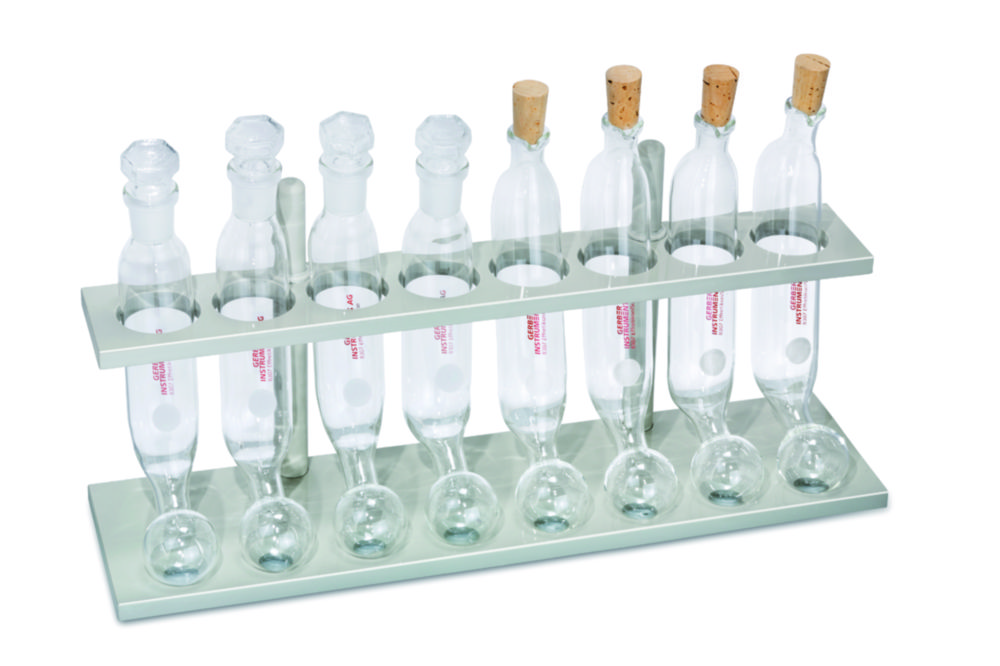
Gerber Instruments AG
Accessories for Extraction tubes Mojonnier
Description:
Rack for 8 Mojonnier flasks, PP
€6.27*
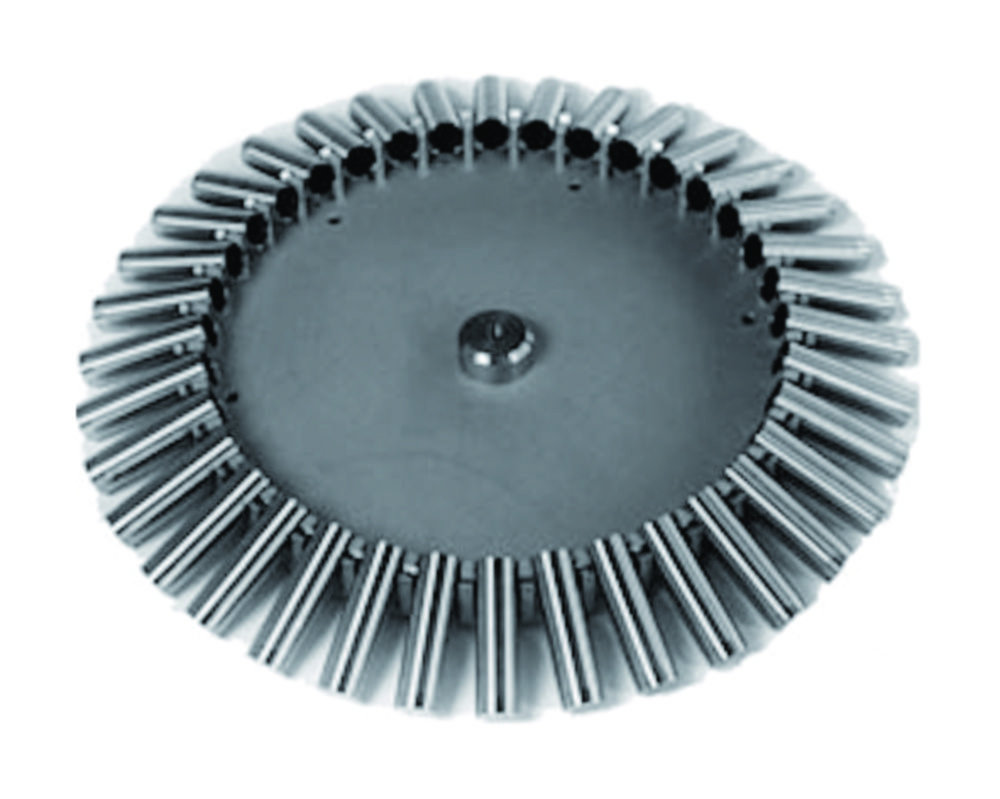
Gerber Instruments AG
Accessories for Gerber Centrifuges Universal
Type:
Special rotor complete with 36 free-swingingsleeves of stainless steel, for butyrometersand solubility tubes by Gerber
€94.66*
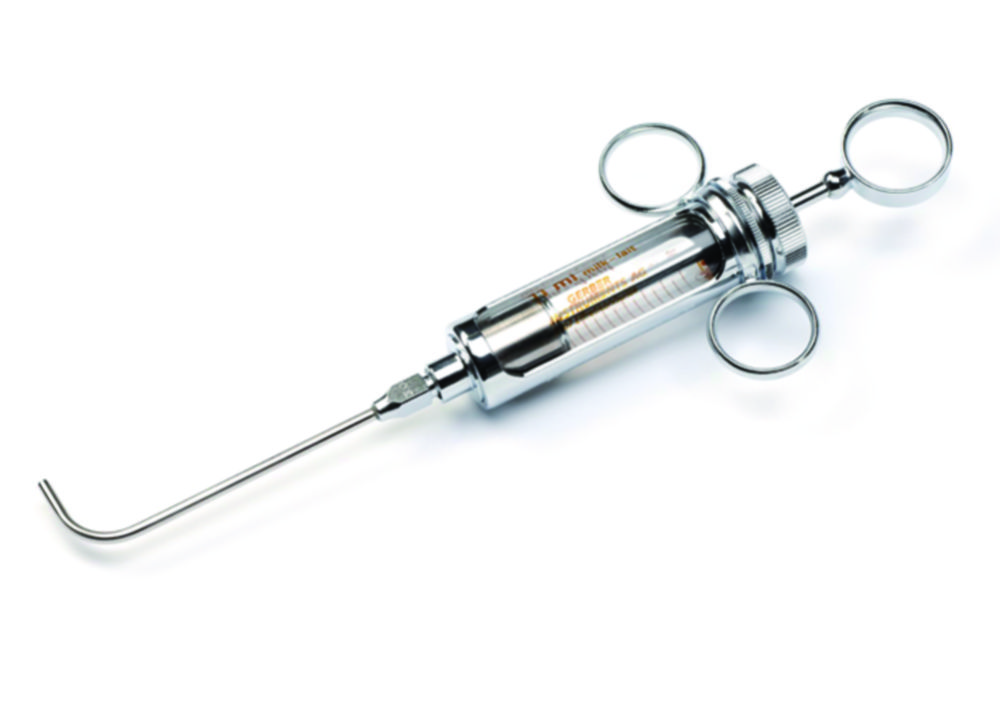
Gerber Instruments AG
Accessories for glass butyrometers
Type:
Tilt measure for 1 ml amyl alcohol,with rubber stopper, without bottle
€62.86*
Behr Labor-Technik GmbH
Accessories for Kjeldahl rapid sample digestors
Description:
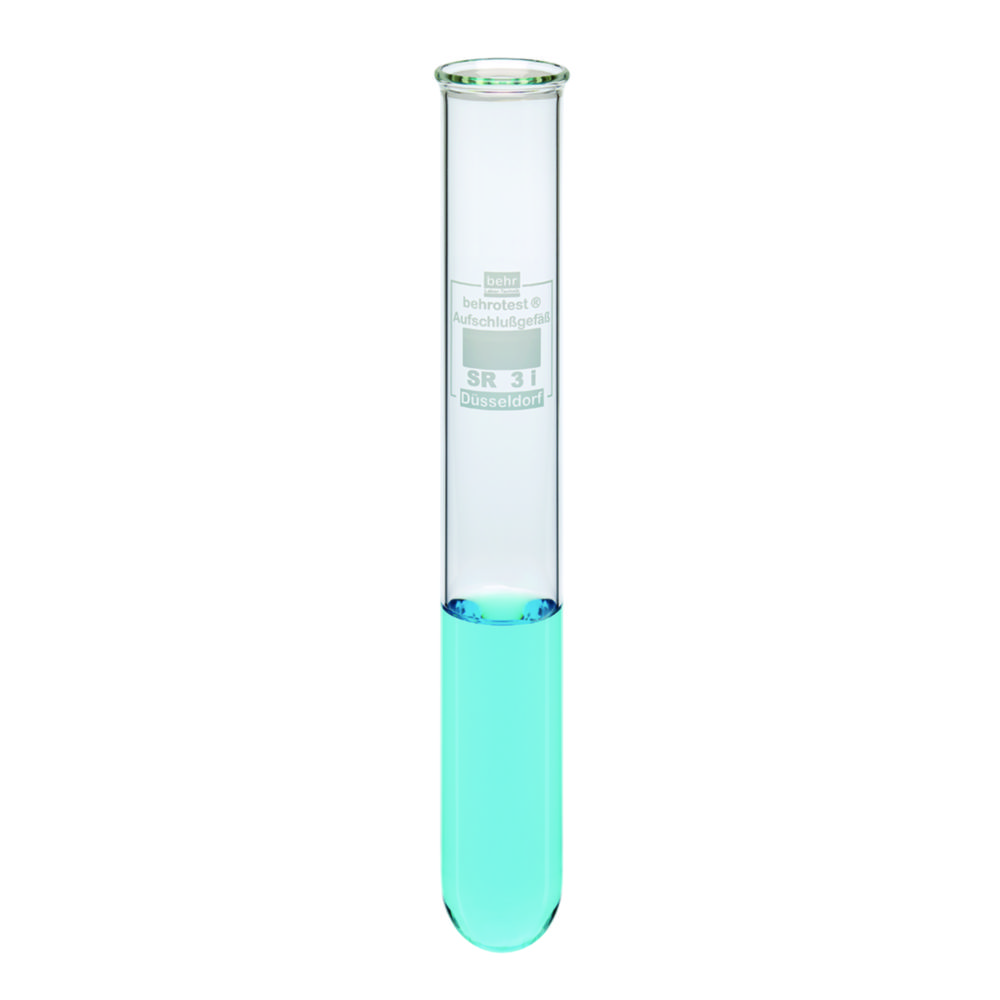
Sample vessel 100ml, for InKjel*
|
Type:
SR 4
behrotest® standard digestion vessels have standard dimensions. That means they fit into digestion and distillation units of most brands. Of course, it also means that standard digestion vessels of most brands can be used with behr distillation units.
€25.19*

Behr Labor-Technik GmbH
Accessory holders for sedimentation cones with stopcock, PVC
No. of sedimentation cones:
2
Imhoff pattern, solid grey PVC. Stable design.
€130.00*
Behr Labor-Technik GmbH
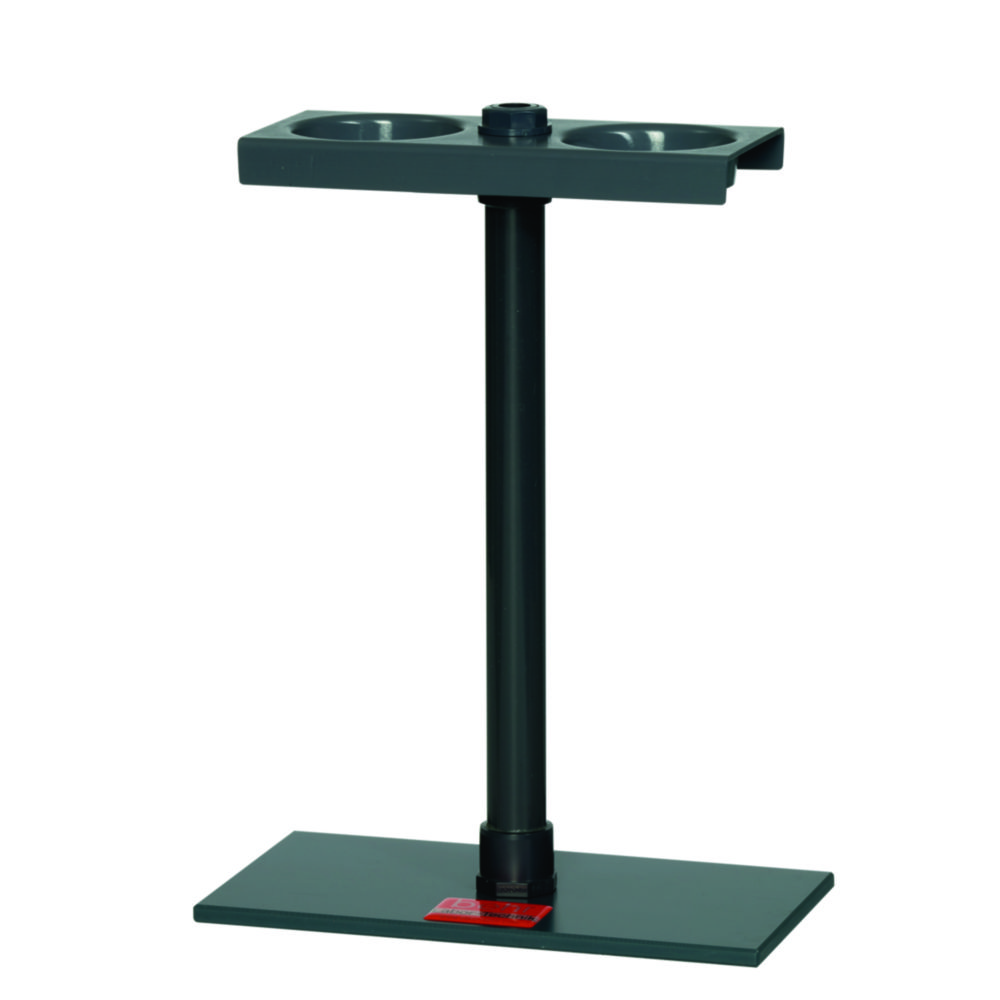
Accessory holders for sedimentation cones, PVC
No. of sedimentation cones:
2
Imhoff pattern, solid grey PVC. Stable design.
€124.30*

Xylem Analytics Germany (WTW)
Ammonium calibration standards (NH4-N) for analyzer Alyza IQ NH4
Concentration:
0,0 mg/l
|
Type:
S-NH4/1-0.0
Hazardous Substance DataSDSLink
€79.00*

Xylem Analytics Germany (WTW)
Ammonium reagents (NH4-N) for analyzer Alyza IQ NH4
Max. measured value:
5.00 mg/l
|
Min. measured value:
0.02 mg/l
|
Type:
R-NH4/1-1A
For wet chemical reactions.Hazardous Substance DataSDSLink
€81.00*

Cole-Parmer Ltd. (Stuart)
Automatic Melting Point Apparatus MP-800D
Type:
MP-800D
Accurately and reliably determining the melting point of up to three samples simultaneously.The MP-800D has a custom designed user interface based on an established Android platform for intuitive setup and navigation. All operation is via the 7" colour touchscreen. Once programmed, users can leave the MP-800D to complete the melt analysis independently, alternatively the melt can also be observed on the screen live or post melt. During post melt review additional measurement tags can be added if required, such as meniscus point or the automatically obtained result can be overwritten.A generous 8 GB on board storage is included, which should comfortably hold approximately 300 melts files including videos. Results can also be transferred via USB stick on to PC or can be printed directly from the unit via the accessory printer.The MP-800D features a useful storage drawer to house all standard capillary tubes.All units are factory supplied with a calibration certificate showing individual serial number for traceability. The SMP50 also conforms to Pharmacopeia and GLP.SpecificationsNo of samples:3 simultaneouslyTemperature range:Ambient to 400 °CTemperature resolution:0.1 °CDisplay:7'' HD ColourRamp rates:0.1 to 20 °C in 0.1 °C incrementsTemperature sensor:PT1000 Platinum resistanceMemory:8 GB (approx. 300 results with video)Cool down time:350 to 50 °C (approx. 12 min)Heat up time:50 to 350 °C (approx. 6 min)Data transfer:USB Flash driveSample level:2 to 3 mm in 50 mm or 100 mm length capillariesWeight:4.6 kgPower supply:120-230 V, 50/60 Hz
€8,303.09*
Behr Labor-Technik GmbH
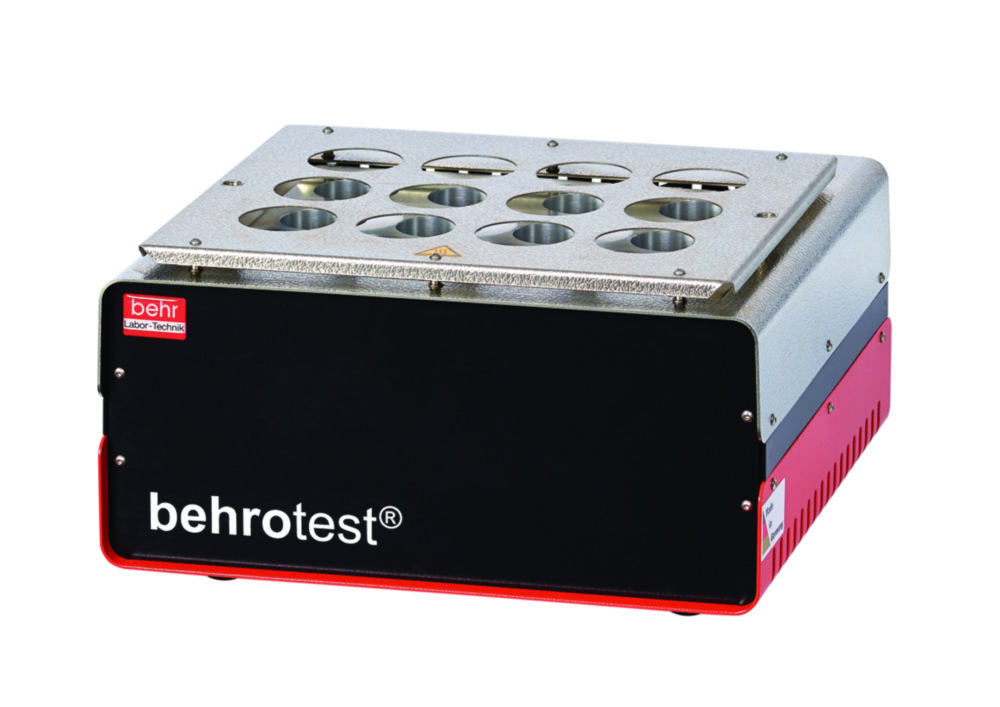
behr COD Heating Blocks
Description:
for 24 RG reaction vessels
|
Rating W:
2000
|
Temp. range max. °C:
299
|
Type:
CSB 24 / E
COD acc. to ISO Precision heating blocks with 6, 12 or 24 sample positions. Flat surface heater for even temperature distribution to each sample position. Stainless steel and powder coated steel casing. Extensive insulation provides for inoffensive temperatures of the casing surfaces.End-to-end grooves in the precision aluminum plate at the bottom of the bores simplify sample handling and provide for exemplary safety of the analyst:During sample insertion the grooves cause pressure compensation. Thus even the most accurately fitting reaction vessels slip easily into the bores, which is required to effortlessly handle the behr insert and yoke type frames for RG 2 reaction vessels.When inserting the samples into the hot heating block adherent moisture on the vessel surface evaporates in sudden bursts. The grooves drain off the vapor which otherwise might cause the vessels to jump up and down which might eventually lead to the destruction of the vessels.In case of one or more vessels overflowing the liquid COD samples discharge through the grooves minimizing the danger of damages inside the block caused by acids.
€1,374.00*
Behr Labor-Technik GmbH
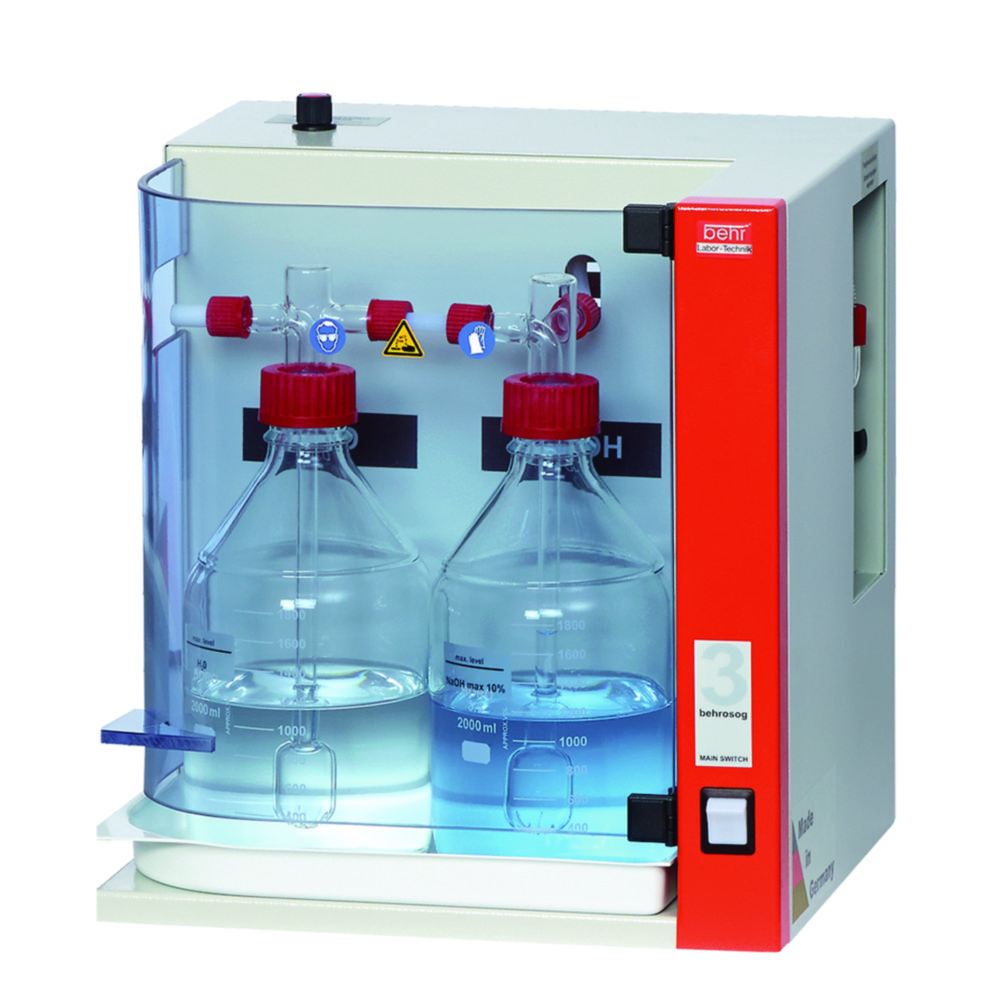
behrosog 3 Scrubber
Description:
Scrubber with suction pump (40 l/min), cooling stage, neutralisation stage and drip catcher
|
Type:
behrosog 3
Infinitely variable throughputTransparent protective shield for safe operation of the unitExterior manual control elements with easy access prevent the analyst from touching hot glass partsAcid resistant diaphragm pump
€785.70*

Behr Labor-Technik GmbH
behrotest ® HTI 1 manual titration station
Description:
Manual titration station
|
Type:
HTI
The HTI 1 manual titration station consists ofa burette with digital display anda magnetic stirrer with a precisely fitting holder for COD reaction vessels. A screen serves as a neutral background and allows the user to determine the colour change at the end of the titration precisely. Therefore a titration could always carried out under similar visual conditions. This improves the precision and the reproducibility of the results.The precise positioning of the reaction vessels in the holder on the top of the magnetic stirrer also contributes to this. The angled wing of the screen protects against lateral dazzling light.SpecificationsVoltage230 VAC/ 115 VACFrequency50/60 HzWeightapprox. 3.5 kgDimensions in mm (W x D x H)approx. 330 x 200 x 600
€1,804.00*
Behr Labor-Technik GmbH
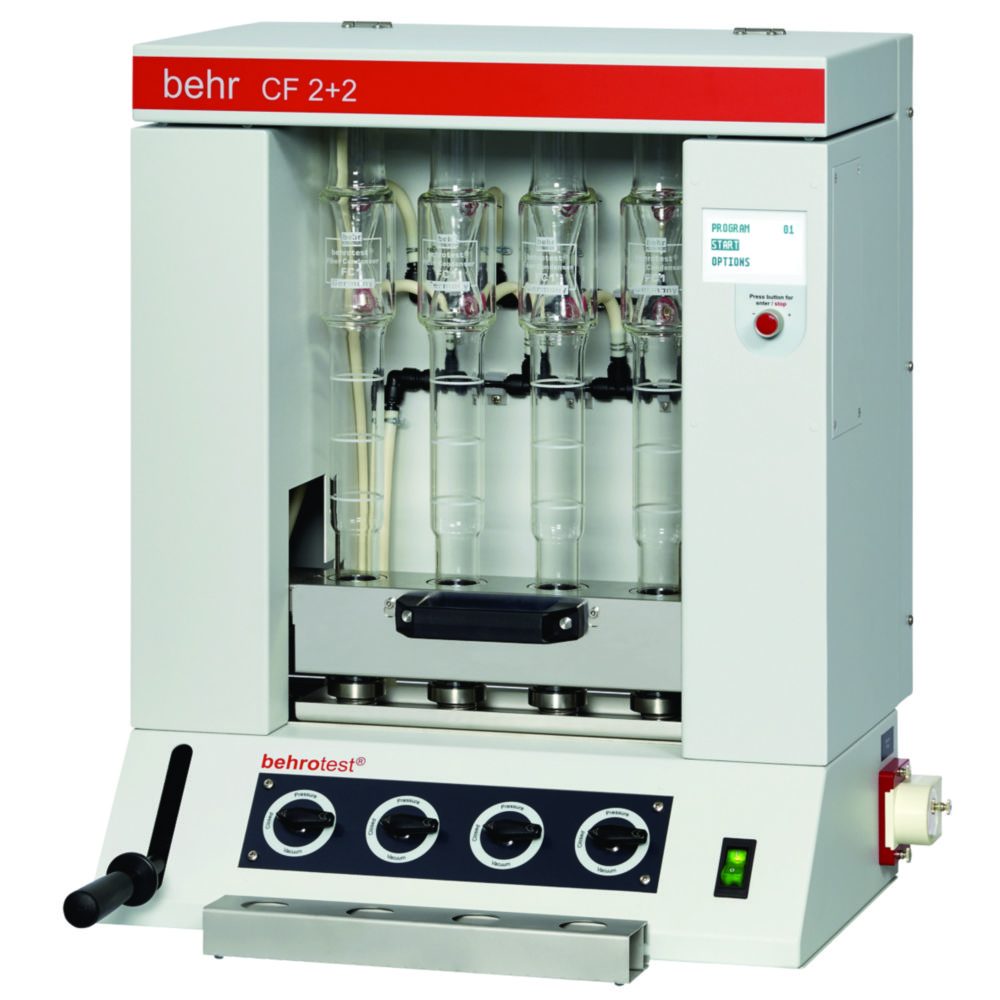
behrotest® CF 2+2 and CF 6, Semi-automatic Crude Fibre Extraction
Description:
with 4 sample places
|
Dimensions (W x D x H) mm:
590 x 560 x 670
|
Type:
CF2+2
|
Weight kg:
43
They are ideally suited for:total crude fibre determination (part of the Weender animal feed analysis as performed in Europe)neutral detergent fibre and acid detergent fibre determination (NDF and ADF according to Van Soest)acid detergent lignin determination (ADL according to Van Soest)different fractions of fibre (cellulose, hemicellulose and pectin) behrotest® semi-automatic crude fibre extraction units simplify everday life in the lab:Easy operationThe analyst is guided through the procedure by messages on the display.behr ABP ("acknowledge before proceeding") method for optimum analytical safety. Possible manual operation of air and suction pumps.
€5,419.00*
Behr Labor-Technik GmbH
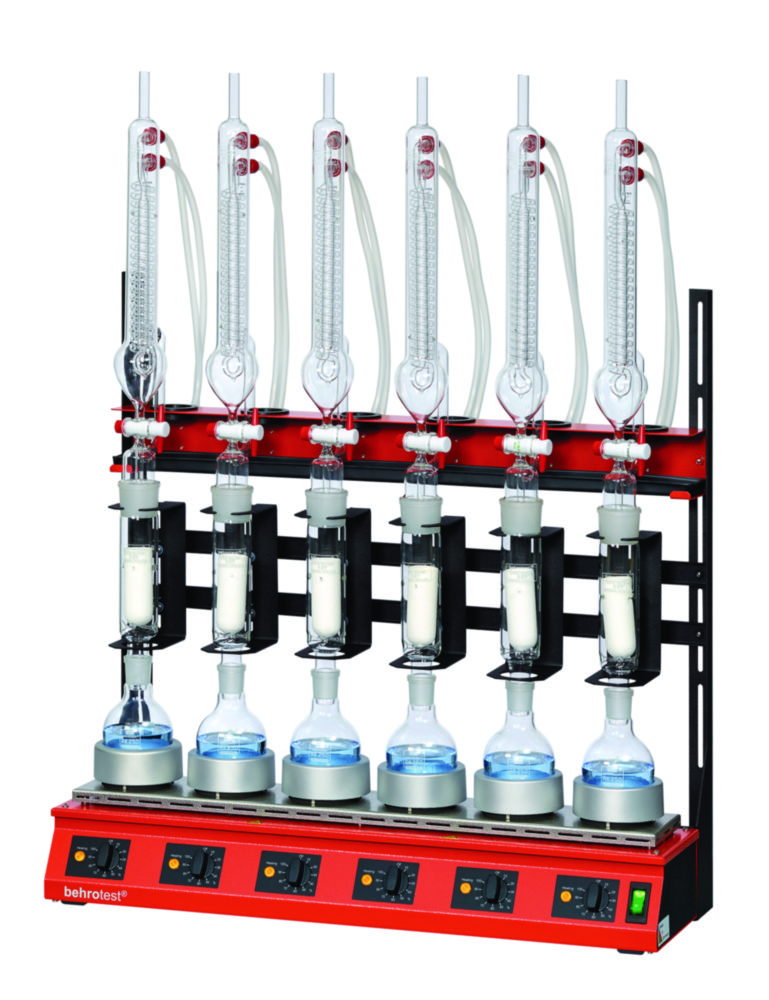
behrotest® Multi-sample Extractors for Twisselmann Extraction
Description:
complete for 6 positions at the same time with plunger, 250 ml, FB execution (larger heating surface)
|
Type:
R 106 T-FB
Economical and user-friendly units for extraction in accordance with Twisselmann:each sample position is individually adjustablecooling water distributor ensures an even cooling at all sample positionspractical stand for holding the condensers securely between the extractionsmounts for holding the spacers after the removal of the sample containers
€3,029.00*
Behr Labor-Technik GmbH
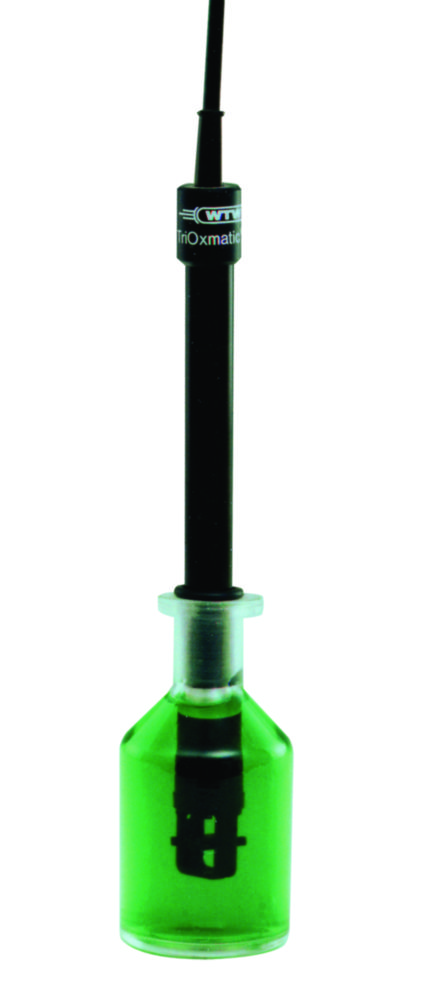
BOD bottles with stoppers
Type:
BOD bottles with stoppers, 100 ml
With NS 19 cone glass stopper.
€25.52*

Xylem Analytics Germany (WTW)
BOD measurement system OxiTop®-i IS 6 / 12
Plug type:
EU
|
Type:
OxiTop®-i IS 12
Easy-to-use, respirometric measuring system for determining the biological oxygen demand (BOD). The method is based on changes of pressure in a closed system using measuring heads attached to the sample bottles. The BOD can be determined simultaneously in up to 6 or 12 samples.No dilution of the sample requiredDirect reading of the BOD, the time course and the intermediate values on the graphical display of the measuring headsInput of the used sample volume directly at the measuring headMonitoring time between 1 and 7 daysPermanent display of the current status at each measuring headColoured measuring heads with adjustable, numerical sample identificationScope of supply: OxiTop®-i IS 6: 6 x measuring heads (3 x blue, 3 x grey), 6 x sample bottles PF600, 6 x rubber quivers, CO2 absorber, nitrification inhibitor, overflow measurement flasks, 6 x stirring rods, stirring rod remover, stirring platform SI 6OxiTop®-i IS 12: 12 x measuring heads (6 x blue, 6 x grey), 12 x sample bottles PF600, 12 x rubber quivers, CO2 absorber, nitrification inhibitor, overflow measurement flasks, 12 x stirring rods, stirring rod remover, stirring platform SI 12An incubator is required to operate the OxiTop®-i IS. Please order separately.SpecificationsPressure range:500 ... 1250 hPaBOD range:0 ... 4000 mg/lDisplay:Graphical LCD, background-illuminatedPower supply of measuring heads:
Power supply of stirring platform:1 x CR 2450
100 ... 240 V, 50/60 HzHazardous Substance DataGHSSignal wordGefahrH-SatzH290, H314P-SatzP280, P301+P330+P331, P305+P351+P338SDSLink
€3,069.00*
Xylem Analytics Germany (WTW)
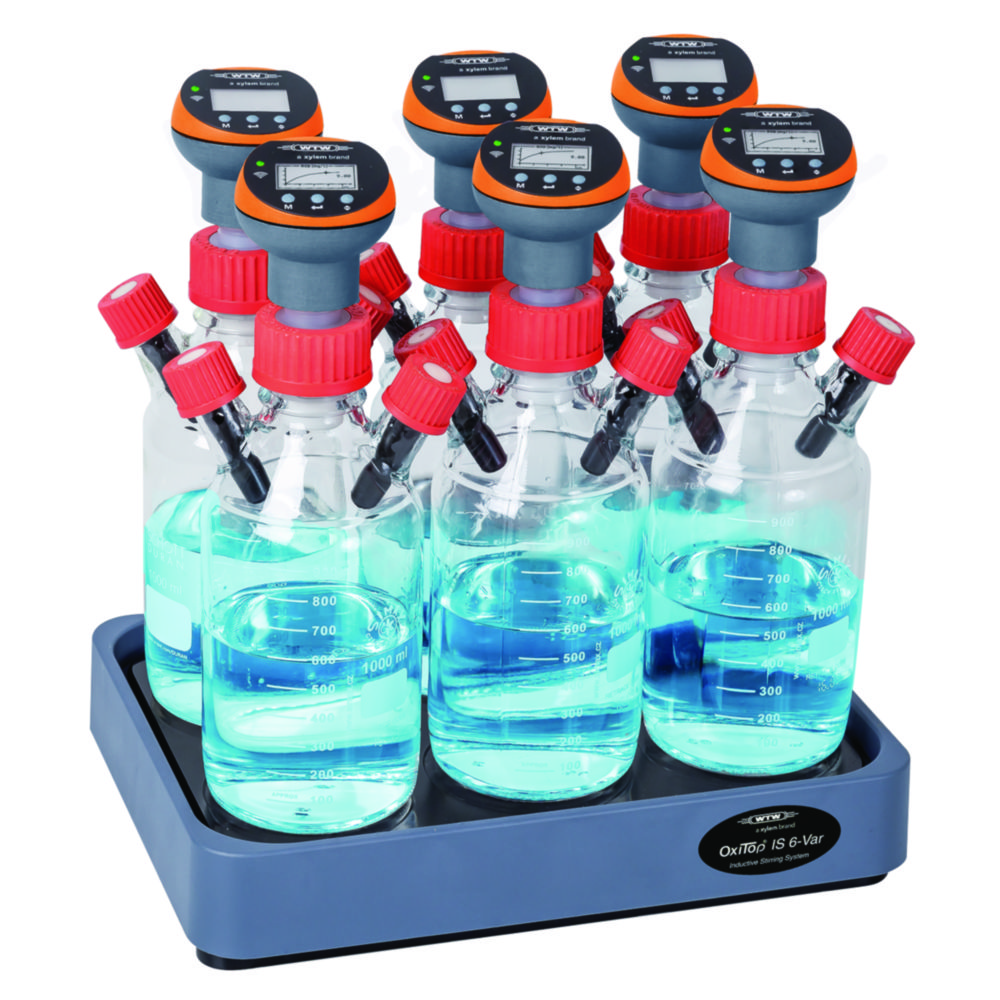
BOD Measuring system OxiTop®-IDS for determination of biogas/microbiology
Type:
OxiTop®-IDS AN6
BOD measurement system for all types of respirometric measurements, e.g. soil respiration, microbiological activity measurement, biogas determination as well as extended BOD measurement for the industrial waste water plants and further degradation tests in 3 selectable measuring types, BOD standard, BOD special and pressure.With the proven Bluetooth® connectivity and the convenient operation via MultiLine® multi parameter instrument Multi 3620 IDS or Multi 3630 IDS. Using a Multi 3620 IDS or Multi 3630 IDS in BOD special mode the BOD measuring range extends to 400000 mg/l. For an already existing Multi 3620 or 3630 IDS, a firmware update is sufficient. Herewith beneath the OxiTop® applications also measurement of pH, conductivity, solved oxygen and turbidity are available. All heads can be used independently for routine BOD measurements from 1 to 7 days.Bluetooth®connectivityDirect calculation of all results in the meterRepresentation of curves for monitoringParallel measurement of different examinations and methodsExport to data acquisition programsFor the measurement of anaerobic degradability with OxiTop®-IDS/B measuring heads. The main application for these sets is the testing of fermentability of biological waste for biogas plants acc. to VDI 4630. The yield of methane can be measured in the pressure mode.Convenient and safe operation within an extended pressure range of up to 1500 hPaPressure range excess warningCorrosion-proof head even in presence of H2SScope of supply:OxiTop®-IDS AN6: 6 x OxiTop®-IDS/B measuring heads, 6 sample bottles MF45/1000 (1000 ml), nitrification inhibitor, 6 x magnetic stirring bars, stirring bar retriever, 1 stirring platform IS 6-VarOxiTop®-IDS AN12: 12 x OxiTop®-IDS/B measuring heads, 12 sample bottles MF45/250 (250 ml), nitrification inhibitor, 12 x magnetic stirring bars, stirring bar retriever, 1 stirring platform IS-12Please order CO2 absorber NHP 600 (9.303 403) separately.The IDS multi parameter measuring instruments Multi 3620 IDS Set WL or Multi 3630 IDS Set WL are required. Please order separately.SpecificationsPressure range:500 ... 1250 hPaBOD range:0 ... 4000 mg/lMeasurement period:0,5 h ... 180 dMemory:360 valuesDisplay:LCDPower supply:100 ... 240 VAC, 50/60 Hz
€6,139.00*
Promotion

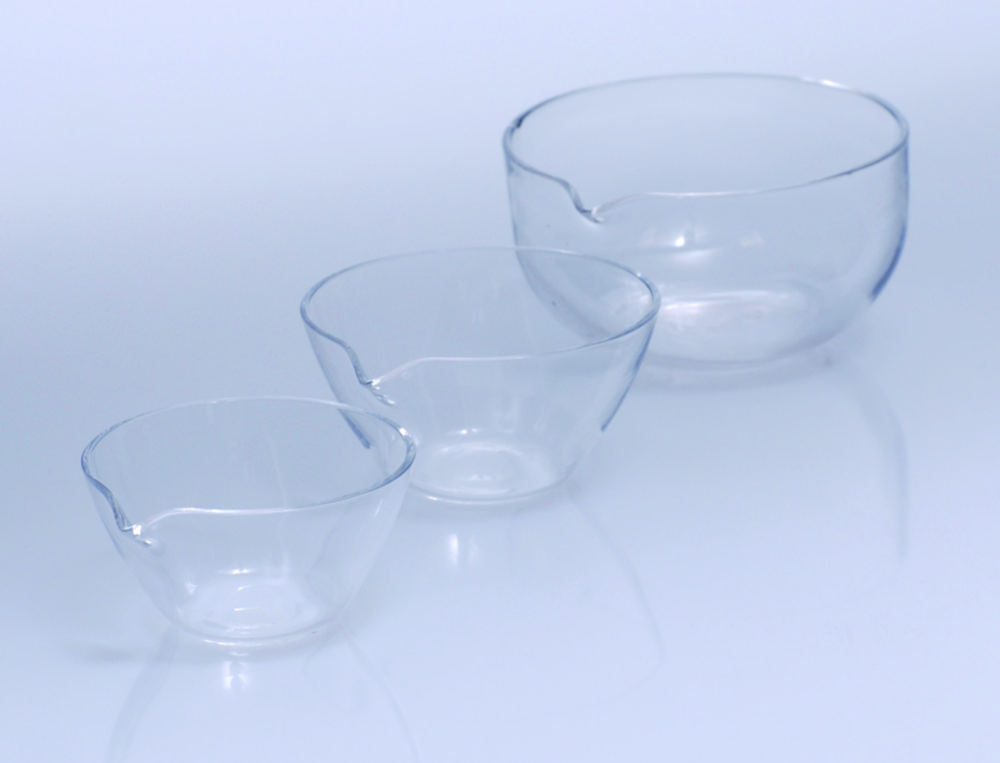
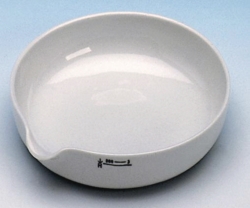
Evaporating basins, porcelain, shallow form
Glazed inside and outside except for rim.*According to DIN standard
€12.32*
Promotion
Evaporating basins, porcelain, shallow form
Glazed inside and outside except for rim.*According to DIN standard
€12.32*