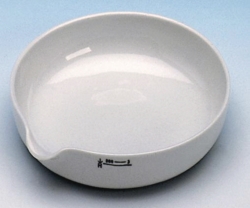
A1 quality. Non-porous.
DIN 12871. Solid.
To DIN 12871. Supplied singly.
Grey. DIN 12871.
These stoppers guarantee perfect sealing even with poorly finished rims on glass or plastic bottles. The top of the stopper has a septum which can be punctured by a hypodermic needle. Very secure fit prevents accidental opening.
Transparent. DIN 12871.
DIN 12871.
Grey. DIN 12871.
DIN 12871. Other bore sizes on request.
DIN 12871.
High air permeability ensures the growth of drosophilaGood deformation effectLow evaporationTight fit even after repeated use
Prevents mites from enteringAutoclavableGood deformation effectLow evaporationTight fit even after repeated use
Prevents mites from enteringEnsuring breathabilityLow evaporationGood deformation effectRecommended for one-time use
High air permeability ensures the growth of drosophilaGood deformation effectLow evaporationTight fit even after repeated use
Die Stopfen bieten eine perfekte Abdichtung auch bei schlecht gefertigten Rändern und verhindern dadurch unbeabsichtigtes Öffnen.Beidseitig verwendbarGute ChemikalienbeständigkeitAutoklavierbar
Made from high quality polyethyleneRibbed plugs with 2 sealing ribs for very tight sealingEasy handling with a high, ribbed gripEasy to open by tilting ("one-hand operation")
DIN 12871.
Nickel-plated brass. With handles. Tube wall 0.4 mm.
Rot.
For holes from 5 to 26.25 mm, in 1.25 mm stepsTube and cork borer: nickel-plated brassEjector: 18/10 stainless steel with plastic knob
Naturfarben.
Promotion
DIN 12336Flat-bottom with spoutAutoclavable
DIN 12336Flat-bottom with spout
Glazed inside and outside except for rim.
Promotion
DIN 12336Flat-bottom with spoutAutoclavable
DIN 12336Flat-bottom with spout
Glazed inside and outside except for rim.
Buy Laboratory Stoppers in Bulk | häberle LABORTECHNIK
Laboratory stoppers are essential consumables used to securely seal bottles, flasks, test tubes, and a wide variety of laboratory vessels. They help protect samples from contamination, minimise evaporation, and support safe handling of liquids, gases, and sensitive materials during laboratory procedures. Whether used in chemical analysis, pharmaceutical research, biotechnology, environmental testing, education, or industrial quality control, selecting the right laboratory stopper is an important part of maintaining reliable and reproducible laboratory processes.
As a trusted laboratory stoppers bulk supplier, häberle LABORTECHNIK offers a comprehensive range of professional sealing solutions for laboratories, research institutes, universities, educational facilities, healthcare organisations, and industrial laboratories. If you need to buy laboratory stoppers in bulk or are looking for rubber silicone cork stoppers bulk, we provide high-quality products from trusted manufacturers, competitive pricing, and fast, reliable delivery.
Our extensive product range includes laboratory stoppers in multiple materials, sizes, and configurations, making it easy to find the right solution for virtually every laboratory application.
The Right Laboratory Stopper for Every Application
Different laboratory processes require different types of stoppers. In addition to providing a secure seal, the correct stopper should match the application's requirements for chemical compatibility, temperature resistance, flexibility, durability, and compatibility with laboratory glassware.
Choosing the appropriate laboratory stopper helps:
- Protect samples from contamination
- Reduce evaporation during storage
- Maintain leak-resistant laboratory vessels
- Support accurate and reproducible laboratory work
- Improve laboratory safety
- Protect sensitive chemicals and biological samples
Whether you require everyday laboratory consumables or specialised sealing solutions, häberle LABORTECHNIK offers products suitable for routine and advanced laboratory applications.
Our Laboratory Stopper Range
Cork Stoppers
Cork stoppers have been used in laboratories for many years and remain a practical solution for numerous general laboratory applications.
Typical uses include:
- Laboratory bottles
- Sample containers
- Demonstration experiments
- Educational laboratories
- Temporary laboratory closures
Their lightweight construction and ease of handling make them suitable for many routine laboratory tasks.
Natural Rubber Stoppers
Natural rubber stoppers provide excellent elasticity and reliable sealing performance for a wide variety of laboratory vessels.
They are commonly used with:
- Test tubes
- Round-bottom flasks
- Erlenmeyer flasks
- Laboratory bottles
- General laboratory glassware
Their flexibility allows easy insertion and removal while providing a dependable seal.
Silicone Stoppers
Silicone stoppers are valued for their flexibility, durability, and suitability for demanding laboratory environments. Depending on the product design, they offer excellent performance across a broad range of laboratory applications.
They are frequently used in:
- Analytical laboratories
- Biotechnology
- Pharmaceutical research
- Quality control laboratories
- Routine laboratory operations
Our range includes reversible silicone stoppers and silicone stoppers with fold-over rims for specialised applications.
Plastic Stoppers
Plastic laboratory stoppers provide practical sealing solutions for many routine laboratory applications.
Our selection includes:
- PE stoppers
- LDPE push-in stoppers
- Standard ground joint stoppers
- Plastic bottle stoppers
Different materials are available to suit various laboratory vessels and sealing requirements.
Specialised Laboratory Stoppers
In addition to standard solid stoppers, we offer a wide selection of specialised stopper designs for specific laboratory applications.
One-Hole Stoppers
One-hole stoppers allow laboratory components to pass through the stopper while maintaining a secure seal.
They are commonly used with:
- Thermometers
- Glass tubing
- Laboratory tubing
- Sensors
- Electrodes
These stoppers are widely used in distillation, filtration, gas transfer, and laboratory measurement systems.
Two-Hole Stoppers
Two-hole stoppers are designed for laboratory applications requiring two separate connections.
Typical applications include:
- Gas inlet and outlet systems
- Distillation assemblies
- Laboratory reaction vessels
- Condenser connections
- Analytical instruments
They support more complex laboratory assemblies while maintaining reliable sealing performance.
Hollow Stoppers
Hollow stoppers are designed for applications where tubing, probes, or laboratory equipment must pass through the stopper while maintaining a dependable seal.
They are widely used in analytical laboratories and custom laboratory assemblies.
Versilic® and Specialty Stoppers
For specialised laboratory requirements, our product range also includes:
- Versilic® stoppers
- Reversible silicone stoppers
- Silicone stoppers with fold-over rims
- PE stoppers for standard ground joints
- Foam and fibre stoppers for Drosophila bottles and vials
- Cork borers and related accessories
These products support a broad range of scientific, analytical, educational, and industrial laboratory applications.
How to Choose the Right Laboratory Stopper
Selecting the appropriate laboratory stopper depends on several technical and practical considerations.
Before purchasing, consider:
- Laboratory vessel type
- Required stopper size
- Stopper material
- Chemical compatibility
- Operating temperature
- Number of holes required
- Compatibility with laboratory instruments
- Cleaning or sterilization requirements
For demanding laboratory applications, particularly those involving aggressive chemicals or specialised equipment, always review the manufacturer's technical specifications before selecting a laboratory stopper.
Choosing the Right Material
Each stopper material offers different characteristics that make it suitable for particular laboratory applications.
Natural rubber stoppers provide excellent elasticity for general laboratory use. Silicone stoppers are widely selected where flexibility and broad temperature tolerance are important. Cork stoppers remain a practical option for many standard laboratory applications, while PE and LDPE stoppers offer reliable sealing solutions for routine laboratory vessels.
Selecting the correct material helps improve sealing performance, supports laboratory safety, and contributes to consistent, reliable results across a wide variety of laboratory processes.
Chemical Resistance and Temperature Performance
Laboratory stoppers are used in a wide variety of laboratory environments where they may be exposed to chemicals, varying temperatures, and demanding working conditions. Acids, alkalis, solvents, and other laboratory media can affect stopper materials differently, making material selection an important part of maintaining safe and reliable laboratory operations.
Likewise, some laboratory procedures involve elevated or reduced temperatures. The suitability of a stopper depends on its material and intended application. For demanding laboratory processes, always refer to the manufacturer's technical specifications and chemical compatibility information before use.
Selecting the appropriate stopper material helps maintain an effective seal while supporting long-term performance and dependable laboratory workflows.
Choosing the Correct Stopper Size
Selecting the correct stopper size is just as important as choosing the right material. A stopper that is too small may not provide a reliable seal, while one that is too large may be difficult to insert or could place unnecessary stress on laboratory glassware.
When selecting a laboratory stopper, consider:
- Top and bottom stopper diameter
- Stopper height
- Laboratory vessel opening size
- Compatibility with standard ground joints
- Requirements for tubing, thermometers, probes, or glass rods when using one-hole or two-hole stoppers
Choosing the correct size helps create a secure seal and supports consistent laboratory performance.
Typical Applications for Laboratory Stoppers
Our Laboratory Stoppers are widely used across numerous laboratory disciplines, including:
- Chemical laboratories
- Pharmaceutical research and production
- Biotechnology laboratories
- Medical and diagnostic laboratories
- Environmental and water analysis
- Food and beverage testing laboratories
- Quality control laboratories
- Universities, schools, and teaching laboratories
- Industrial testing facilities
- Research institutes
They are suitable for securely sealing laboratory bottles, round-bottom flasks, Erlenmeyer flasks, volumetric flasks, test tubes, sample containers, and many other laboratory vessels.
Cleaning, Maintenance, and Replacement
Routine inspection and proper maintenance help laboratory stoppers perform reliably throughout their service life.
We recommend:
- Cleaning stoppers according to the manufacturer's instructions after use.
- Inspecting them regularly for cracks, deformation, hardening, or other signs of wear.
- Replacing damaged or worn stoppers promptly.
- Storing stoppers in a clean, dry environment.
- Selecting the appropriate stopper material for each laboratory application.
Proper care helps reduce the risk of leaks, contamination, and unnecessary product replacement while supporting reliable laboratory operations.
Why Buy Laboratory Stoppers from häberle LABORTECHNIK?
As a trusted laboratory stoppers bulk supplier, häberle LABORTECHNIK provides dependable sealing solutions for laboratories, research institutions, educational facilities, healthcare organisations, and industrial laboratories. Whether you need to buy laboratory stoppers in bulk or source rubber and silicone laboratory stoppers in bulk, we offer an extensive selection of professional laboratory products from trusted manufacturers.
Your benefits include:
- Comprehensive range of laboratory stoppers in multiple materials and sizes
- High-quality products for professional laboratory applications
- Cork, rubber, silicone, PE, LDPE, and plastic stoppers for a wide variety of laboratory vessels
- Solid, one-hole, two-hole, hollow, and specialty stopper designs
- Solutions for bottles, flasks, test tubes, and analytical laboratory equipment
- Competitive pricing for bulk purchasing
- Fast delivery and dependable product availability
- Expert support when selecting suitable laboratory stoppers
Avoid Common Mistakes When Selecting Laboratory Stoppers
Choosing the correct laboratory stopper helps improve safety, maintain sample integrity, and support consistent laboratory results.
Before purchasing, consider the following recommendations:
- Select the stopper material according to the chemicals being used.
- Choose the correct stopper size for the laboratory vessel.
- Verify chemical compatibility and temperature suitability.
- Use one-hole or two-hole stoppers only for their intended laboratory applications.
- Inspect stoppers regularly for wear, deformation, or ageing.
- Replace damaged stoppers promptly to minimise the risk of leaks or contamination.
Careful product selection contributes to safer laboratory workflows and reliable experimental results.
Order Laboratory Stoppers Online from häberle LABORTECHNIK
If you are looking to buy laboratory stoppers in bulk or require a reliable laboratory stoppers bulk supplier, häberle LABORTECHNIK offers a comprehensive range of professional sealing solutions for research, education, healthcare, and industrial laboratories. Our portfolio includes cork stoppers, natural rubber stoppers, silicone stoppers, plastic stoppers, PE and LDPE stoppers, one-hole and two-hole stoppers, hollow stoppers, Versilic® stoppers, foam and fibre stoppers for Drosophila bottles and vials, as well as cork borers and related accessories.
Browse our extensive selection of Laboratory Stoppers today and benefit from trusted brands, competitive pricing, fast delivery, and expert customer support. With häberle LABORTECHNIK, you receive reliable sealing solutions designed to support safe, efficient, and precise laboratory work across research, analytical testing, quality control, and industrial applications.
Frequently Asked Questions About Laboratory Stoppers
Which material is best for laboratory stoppers?
The most suitable material depends on the application. Cork stoppers are suitable for general laboratory use, natural rubber stoppers provide excellent elasticity, silicone stoppers offer high temperature and chemical resistance, and plastic stoppers are suitable for many routine laboratory applications.
How do I choose the correct stopper size?
The correct size depends on the opening of the laboratory vessel. Consider the upper and lower stopper diameter as well as the stopper height to ensure a secure seal.
When are one-hole or two-hole stoppers used?
One-hole and two-hole stoppers are used when thermometers, glass tubing, laboratory tubing, sensors, or electrodes need to pass safely through the stopper, for example during distillation or filtration processes.
Are laboratory stoppers chemically resistant?
Chemical resistance depends on the stopper material. Always check the manufacturer's specifications and material properties before use, especially when working with aggressive chemicals.
How often should laboratory stoppers be replaced?
Laboratory stoppers should be inspected regularly for cracks, deformation, or wear. Damaged or hardened stoppers should be replaced promptly to help prevent leaks and contamination.